Field Mycology
Approach & Philosophy
How I Work in the Field
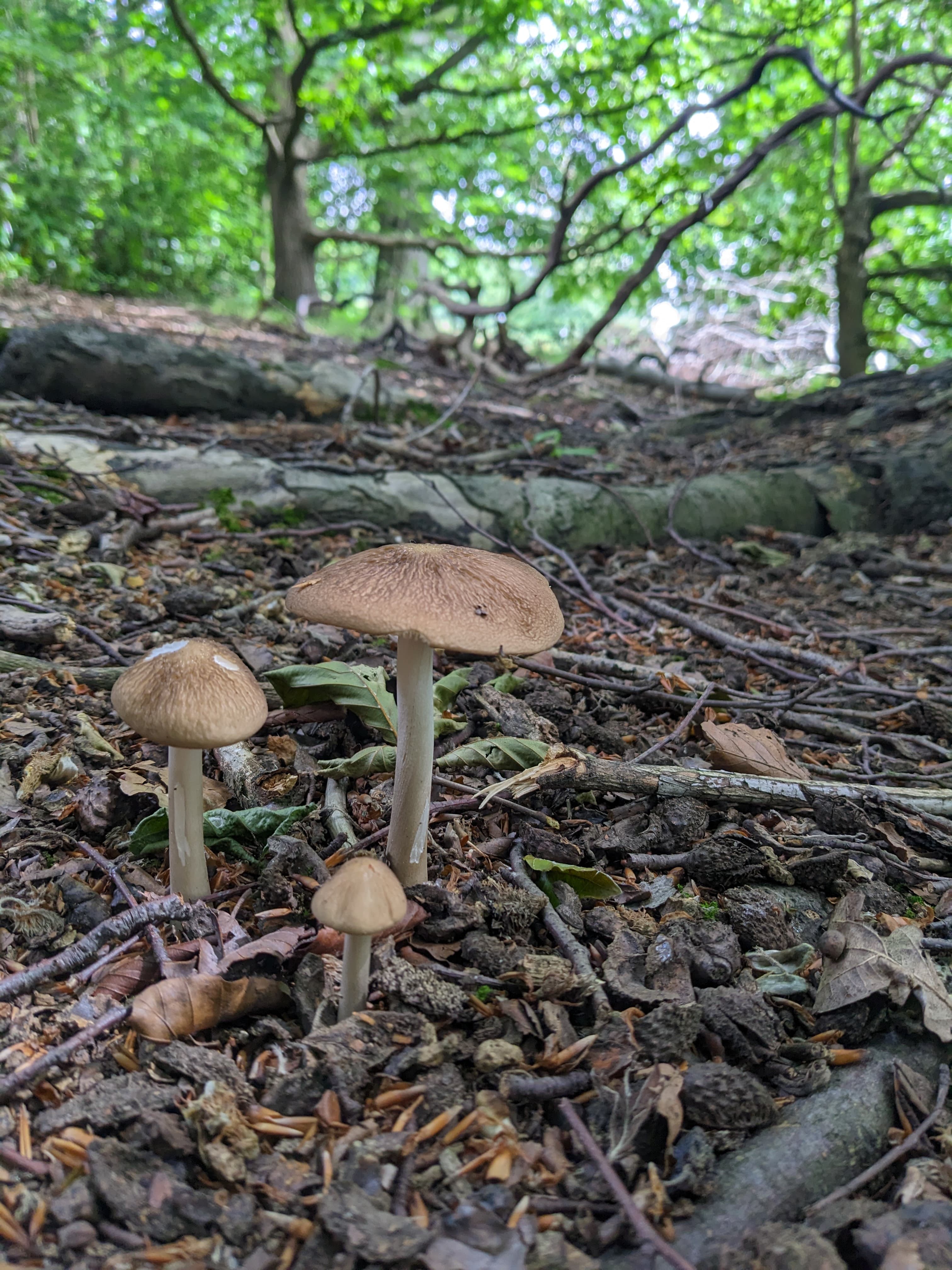
Hymenopellis radicata — Rooting Shank
Field mycology is a discipline of patience and attention. Unlike most natural history pursuits, fungi resist easy observation — the visible fruiting body is only a fraction of the organism, and the same species can look entirely different across sites, seasons, and substrates. This forces a kind of methodical humility that I think is undervalued in modern science.
My approach to the field is shaped by three principles. First, record everything — not just the charismatic species, but the crusts, the brackets, the half-rotted unknowns. The overlooked taxa are often the ecologically significant ones. Second, learn habitats before species. Knowing that a stand of mature beech over alkaline soil in late autumn will yield a different community than a wet alder carr in spring is more useful than any single identification. Third, never stop using the microscope. Macroscopic features are starting points. Spore morphology, cystidia, and chemical reactions are what separate certainty from educated guessing.
I record all significant finds through iNaturalist and maintain a private foray log dating back to 2015. Over that period I have documented over 340 species across England, Scotland, and Scandinavia — from common woodland species to nationally scarce waxcaps and rare earthtongues. The log is a living dataset, cross-referenced with substrate, habitat, and weather conditions.
Field mycology is not separate from my doctoral research — it is the foundation of it. The intuitions built over years of field observation inform the hypotheses tested in the lab. When a nitrogen-enriched plot in my study area lacks the Russula and Lactarius species I would expect to find there, the absence is legible to me because I have spent time in comparable habitats where the community is intact. That pattern recognition is not something that can be acquired from sequence data alone.
Recent Finds
A selection of notable collections from surveys conducted in 2025/26
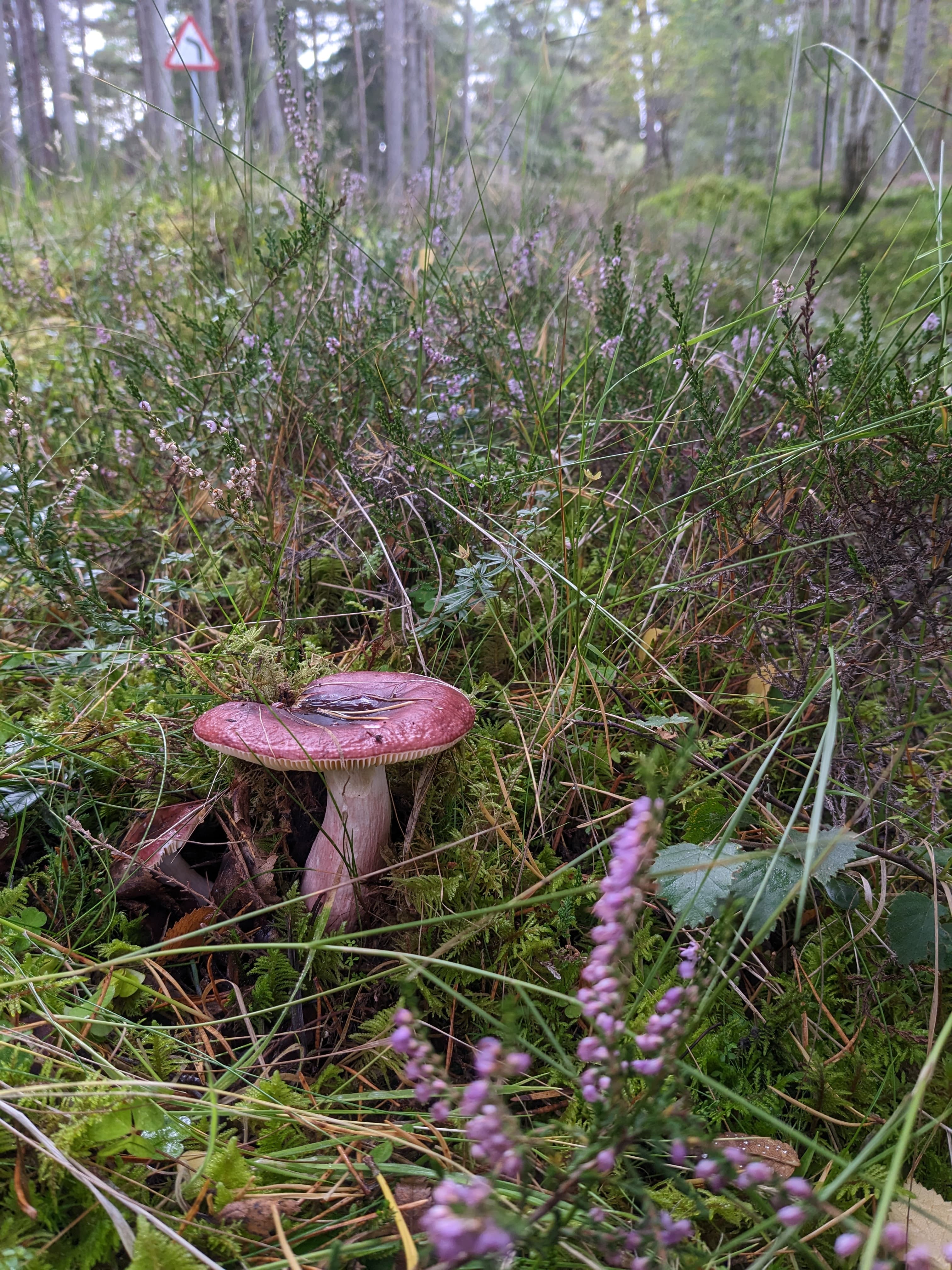
Russula badia
Burning Brittlegill
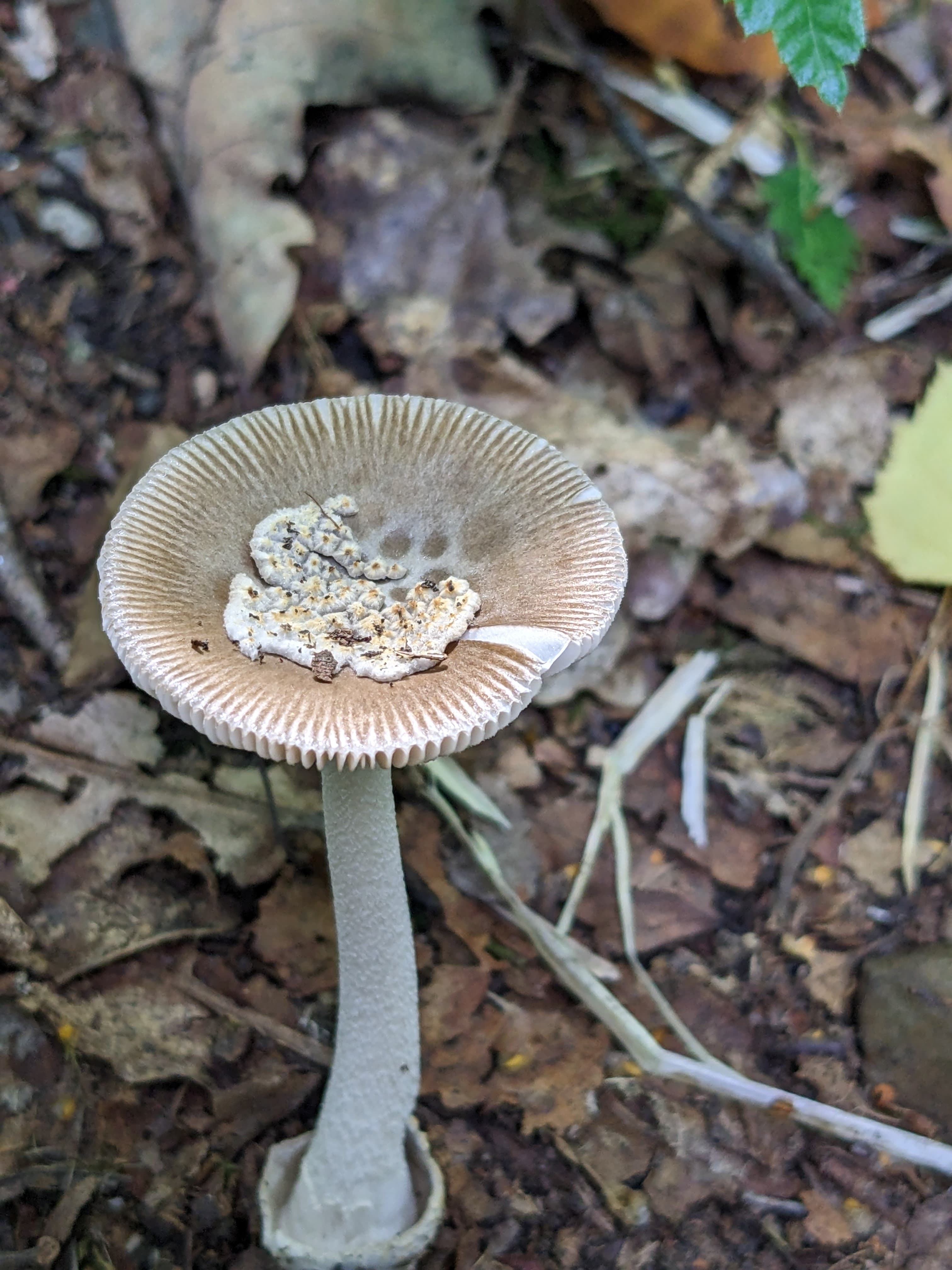
Amanita olivaceogrisea
Olive-Grey Amanita
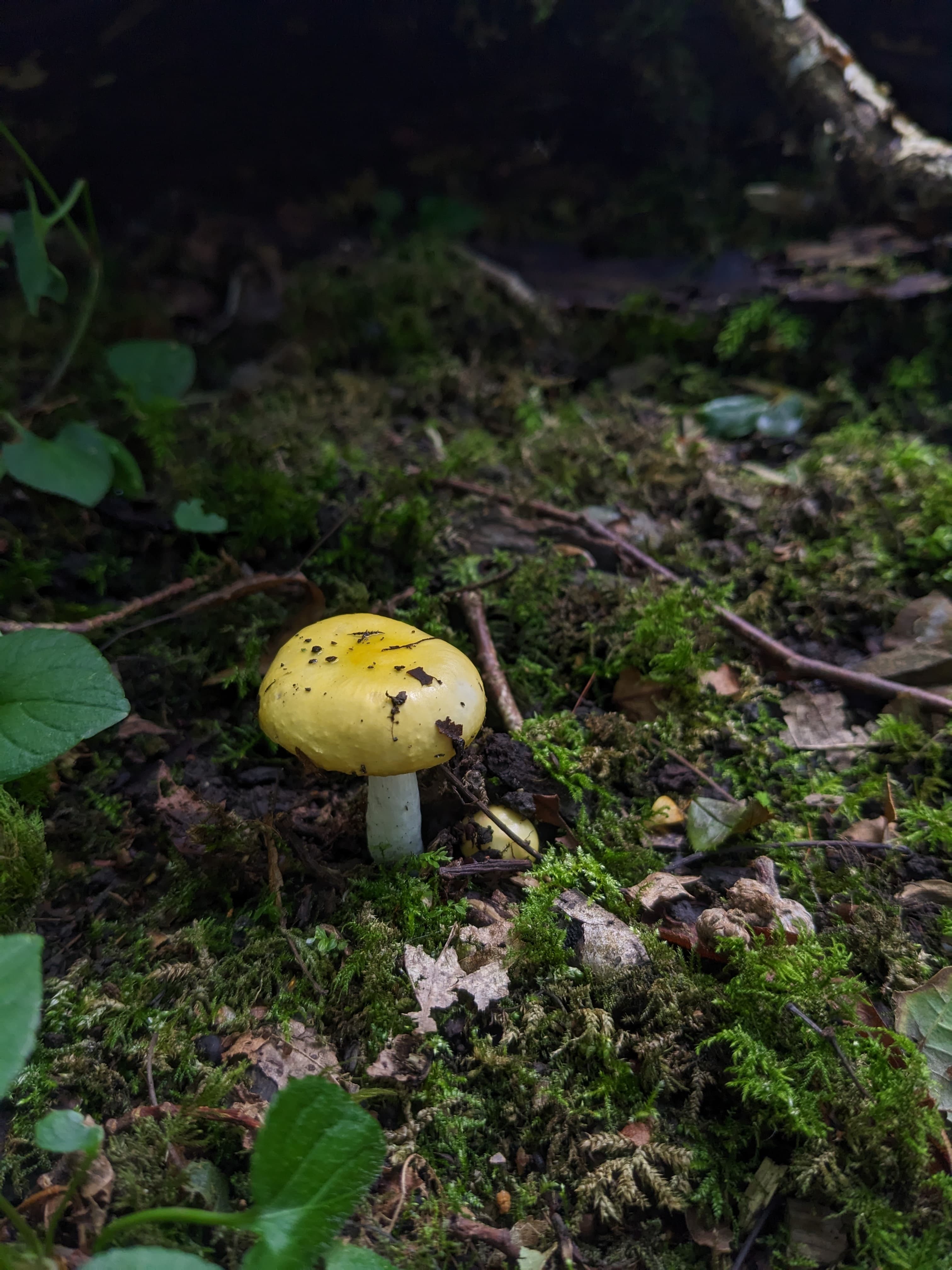
Russula acetolens
Vinegar Brittlegill
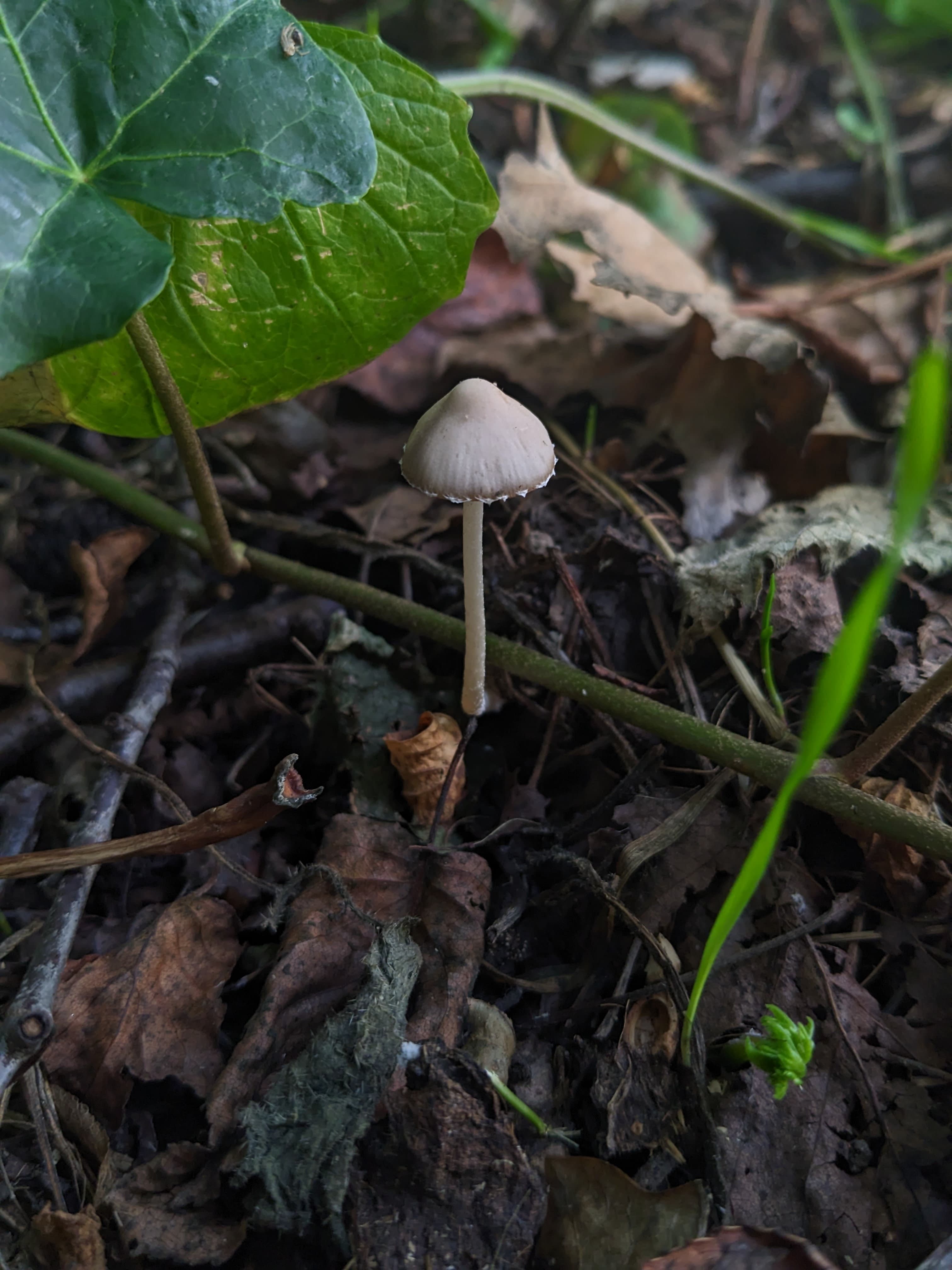
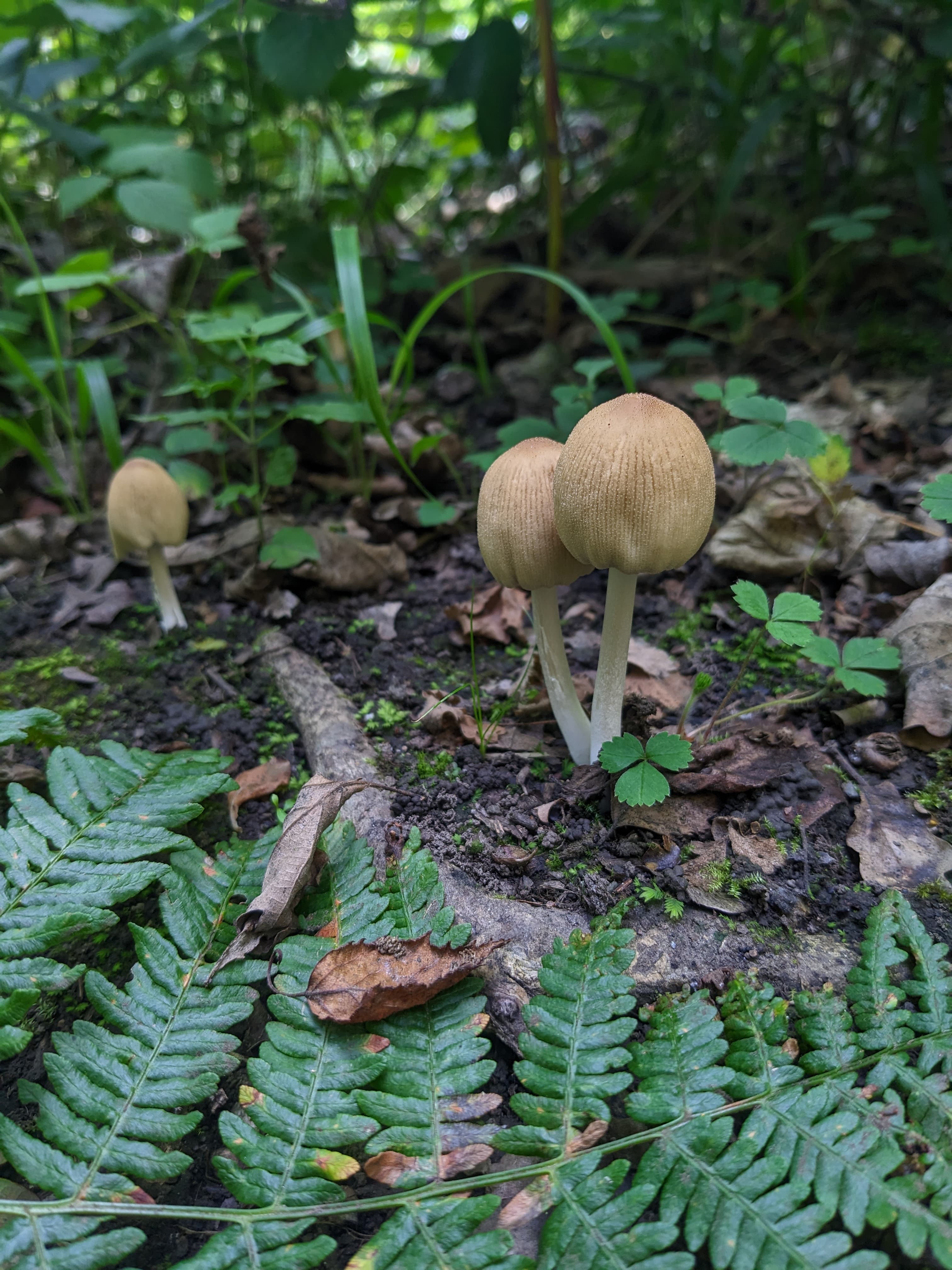
Coprinopsis marcescibilis
Ephemeral Inkcap
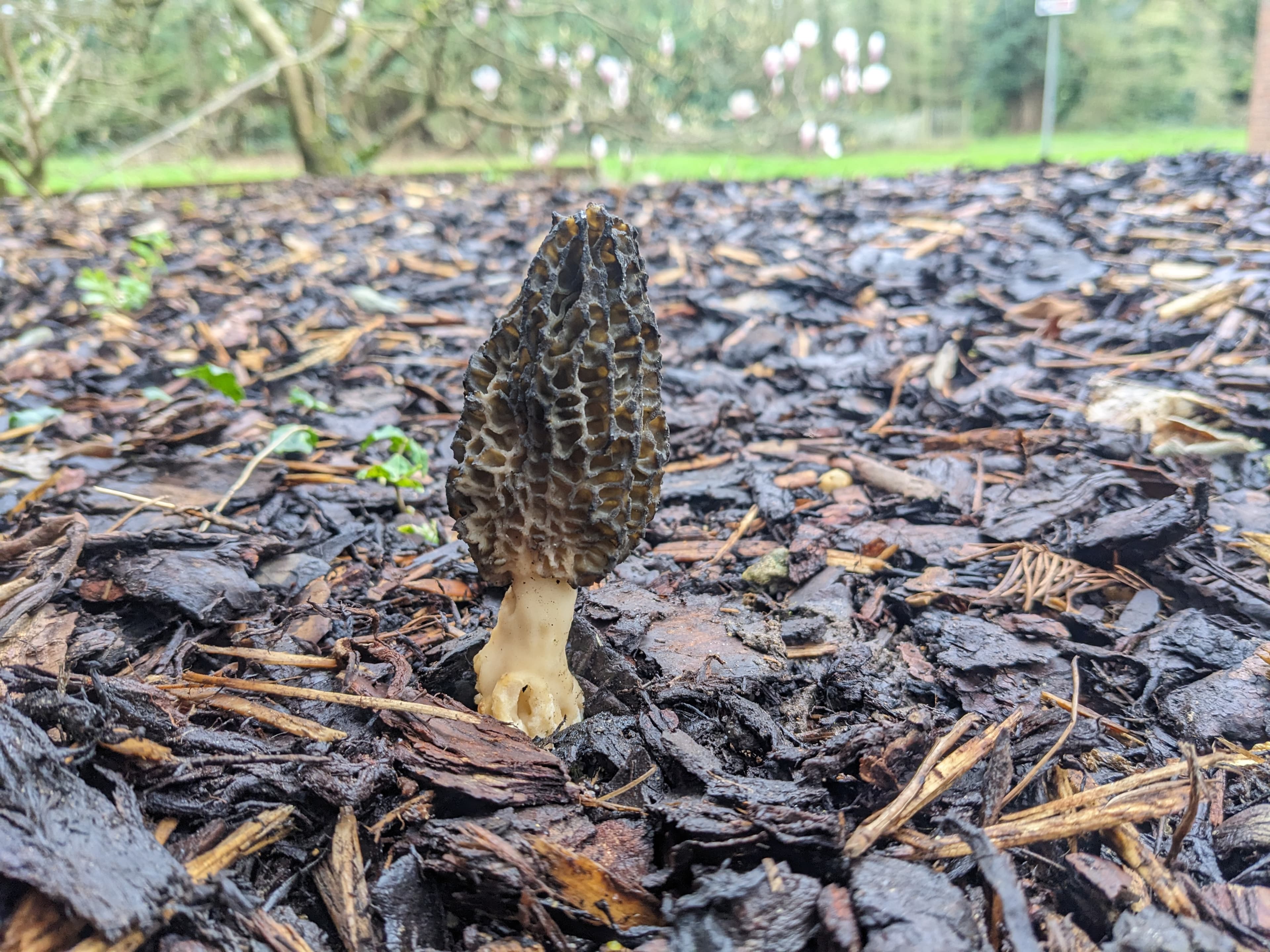
Morchella elata s.l.
Black Morel
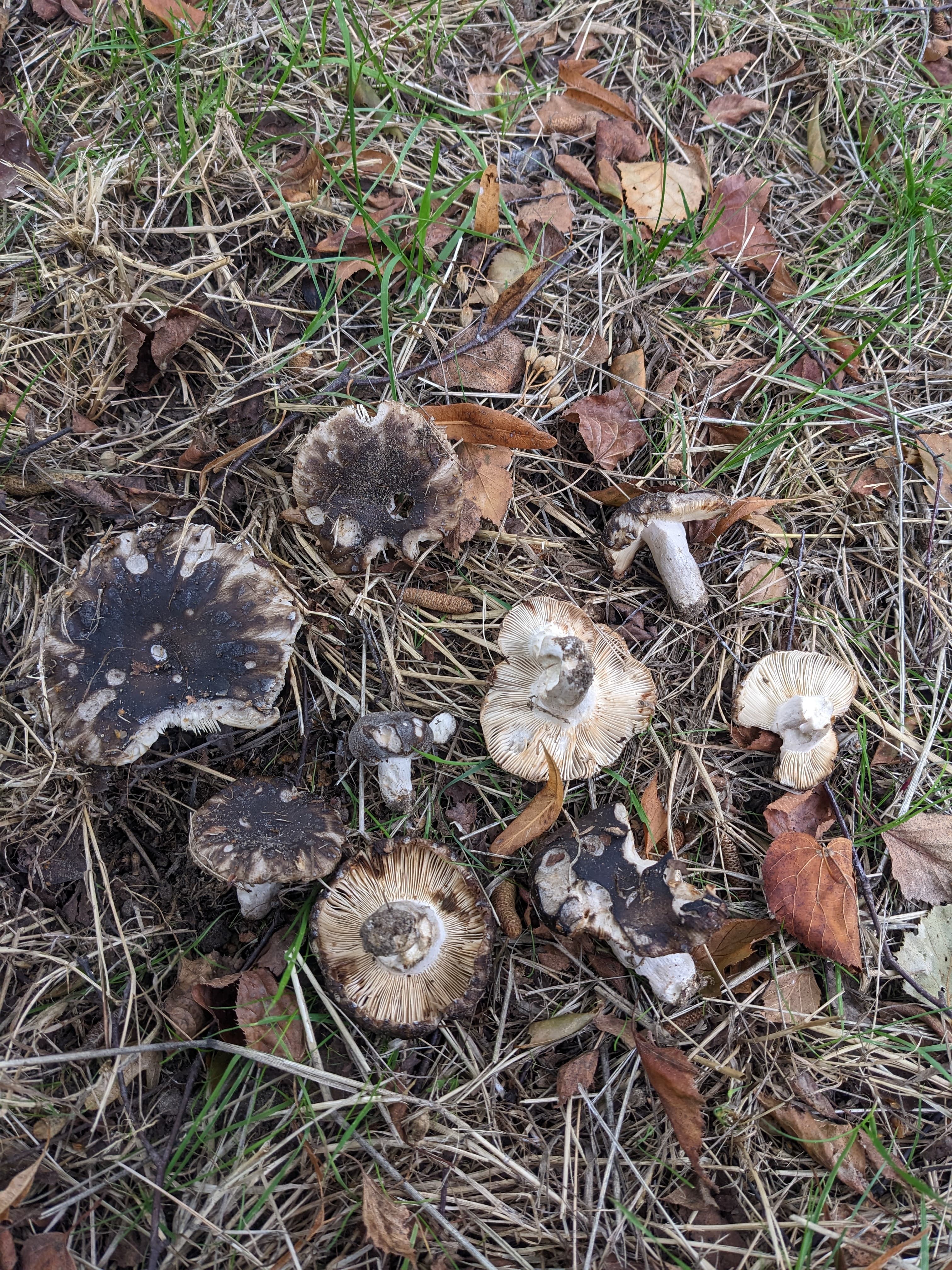
Russula pseudoaffinis
Veiled Brittlegill
The forest does not give up its fungi easily. Identification is a skill built over seasons, not sessions. The rewards — ecological, aesthetic, intellectual — are proportional to the patience you bring to it.
I record all significant finds through iNaturalist under the username @jwnathanoj, contributing to the citizen science datasets that increasingly underpin professional fungal ecology research.
If you are interested in field collaboration, foray organisation in the South of England, or simply want to discuss a difficult identification — I welcome correspondence.